Toll Free: 1800 120 1957
Toll Free: 1800 120 1957
 Ashok Masale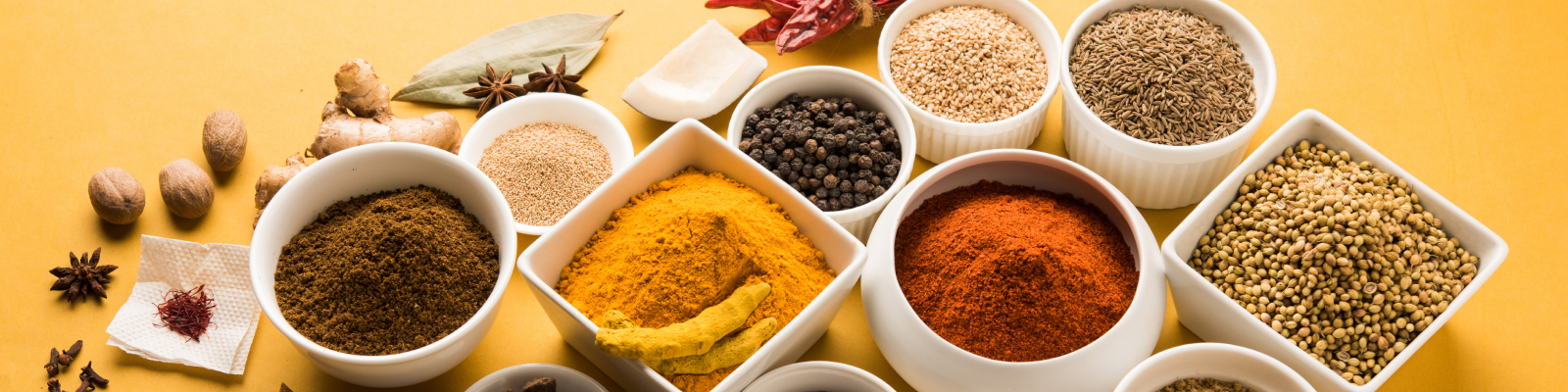
Share this Post:


Spices are a crucial component of Indian cuisine. They bring aroma, colour flavor, and character to nearly every meal. From the everyday staples like sabzi and dal to curries, biryani and other special dishes for the holidays using the correct spices could make an ordinary recipe more delicious.
However, when selecting spices, a common issue is: whole spices or powdered spices — which one is more suitable to cook with?
Each has a role within the kitchen. Whole spices give a refreshing aroma and a more intense flavor in the event of roasting or grinding and powdered spices can be convenient and simple to make use of as well as help to maintain the consistency of your cooking.
In this post we will discuss the distinction between powdered and whole spices, the advantages of each as well as when to make use of each.
Whole spices are those which are preserved in their original or dried form and not ground to a powder. Some common examples include:
The use of whole spices is common in roasting, tempering or grinding and for flavoring various Indian food items.
Cumin seeds, for instance, in the hot oil or ghee will emit a distinct and pleasing scent. In the same way, whole cinnamon cloves, cardamom, and bay leaves are frequently utilized when making pulao, biryani and other thick curries.
Spices that are powdered comprise whole spices which have been cleansed dried, then crushed into a fine and coarse powder. They are used extensively due to their convenience and simple to measure.
A few of the most popular spices for powders include:
Spices that are powdered can be extremely useful for those who want to cook fast food without spending a lot of time roasting or grinding each of the spice blends.
The main distinction between whole spices and powdered spices lies in the manner they are packaged, stored and utilized in cooking.
Whole spices preserve their aroma longer if stored correctly as their oils stay protected in the spices.
If whole spices are burned or cooked by oil they produce aroma oils that may add depth to dishes.
Spices that are powdered also have a great taste, but the aroma will gradually diminish after the crushing, especially if they’re stored improperly and exposed to temperatures humidity, or air.
That’s why an appropriate storage is crucial for all types of spice.
If it’s about ease of use powdered spices are undoubtedly the best choice.
Simply make the necessary quantity and then add it to the recipe. It is not necessary to roast, grind or weigh a variety of whole spice blends.
In busy homes Powdered spices can make daily cooking much more enjoyable.
Whole spices can require some additional preparation, particularly if you are looking to make your own spice powder mix.
Spices that are powdered can cut down time since they’re ready to go.
When you are making the curry, adding the coriander powder or even a prepared masala mix can be much faster than measuring and grinding several whole spice blends.
Whole spices can be suited for recipes that require enough time to create flavor by roasting, tempering as well as slow cooker.
Whole spices allow you to have more control over the flavor you end up with.
It is possible to roast them light or roast them for longer time and use them in their entirety, or even grind them to the recipe. You can adjust the strength of their flavor and aroma.
Spices that are powdered offer greater consistency. This is especially useful in every day cooking as you are able to mix the same amount every time.
Whole spices usually will last longer provided they are stored properly since they are smaller in size which is exposed to the air.
The surface area. That implies that their flavor and aroma are more easily affected by moisture, air or light.
But, high-quality powdered spices will remain flavorful and fresh when they are appropriately processed, packaged, and then stored.
Whole spices can be used in dishes where the aroma and flavor are essential.
Use them to:
Spices like mustard seeds Fenugreek seeds and many various other spices are in hot oil or Ghee. The process lets them release their scent and gives flavor to the meal.
Whole spices, such as cloves, cinnamon, cardamom bay leaf, star anise may impart fragrance to rice food items.
Whole spices may be used in the early stages of cooking to make a delicious base for gravies and curries.
If you are a fan of experimentation at home You can roast and crush all spices into the masala you want to make.
Spices that are powdered work well to use in everyday cooking since they’re easy and quick to cook with.
They are particularly effective to:
Mixtures of masala that are ready-to-use can help cook as they blend various spices with carefully balanced proportions.
This is an excellent technique to develop flavor.
The majority of Indian recipes make use of whole spices and powdered ones.
When you prepare an Indian curry, you may begin by frying the cumin seeds, or even whole spices cooked in hot oil. Then, you could mix in coriander, turmeric chilli powder, coriander powder or the right masala mix.
The entire spices make for the aroma of the base dish, and powdered spices aid in developing color, flavor, as well as the overall flavor of the food.
Combining both varieties makes for a more flavorful and balanced.
The quality of health benefits associated with an ingredient is dependent on the specific spice, its amount, quality, and processing and the way it’s used in foods. It’s not just a matter of stating that spices in their whole form are better than powdered spices.
Whole and powdered spice can make up healthy eating plan.
It is more crucial to selecting high-quality spices from a trustworthy source and properly storing them.
It is also recommended to use spices to complement a well-balanced diet instead of depending on one particular ingredient for its health benefits.
Storage in the right way can protect the flavor and aroma of the spices you use.
Use these easy tips to follow:
The moisture can alter the taste of spices, and can make powdered spices chunky. Make sure to use a dry spoon for taking spices from the container.
The airtight container helps reduce the risk of exposure to moisture and air and help preserve freshness.
Be sure to keep your spice containers from direct light. Cool, dry kitchen cabinet can be the best storage space.
The storage of spice containers near the stove could expose the containers to steam and heat and can alter their taste over time.
If you are not using the same spice frequently you should avoid buying huge amounts. The purchase of the right quantity can assist to use the spices when they remain aromatic and delicious.
There isn’t a single answer to the issue of whether powdered or whole spice are more effective.
It is up to you what recipe you prefer. the ingredients and cooking method.
If you are a fan of traditional cuisine and wish to try roasting or grind spices the whole spice can be a great option.
If you’re looking for ease of use and consistency in the flavor of your daily kitchen cooking, powdered spices and masala mixes that are ready-made can be extremely beneficial.
For the vast majority of Indian kitchens, the two together is the ideal approach.
Whatever spice you pick it is the high-quality of the spice can make an enormous difference.
Make sure you are looking for spices with a pleasant aroma as well as a good color as well as a proper packing. Do not store them in moist places or by leaving the containers unlocked for extended time.
In the case of whole spices light roasting them will let their aromas come out. But, be careful not to over roast because burning spices could result in an unpleasant taste.
If you are using spices that have been powdered include them during the proper time of cooking in accordance with the recipe. It helps to blend them together with other ingredients.
That’s it, whole spices vs powdered spices – which is best to cook with?
Simple answer: both have their distinct benefits.
Whole spices are great to get strong aroma along with a lot of depth when cooking. Spices that are powdered work best for those who want speed along with speed, consistency, and taste.
Instead of deciding on just one, you can keep both in the kitchen, and cook with as per the food you’re making.
From simple meals to elaborate recipes, the proper spices are able to transform basic ingredients into fantastic food. Selecting the best spices and then storing the right way is as essential as knowing the best ways to utilize the spices.
Made with the most trusted spices of Ashok Masale, you’ll be able to make cooking easier while adding authentic Indian spices to your kitchen.
Not necessarily. Spices that are whole can preserve their scent provided they are stored in an appropriate manner, while powdered spices provide ease of use and a consistent taste. Each can have a place upon the particular recipe.
Whole spices may give off an intense aroma, particularly in the case of freshly roasting or mixed. But, the flavor will depend on the grade as well as the freshness and quality of spices.
For some recipes, it is. The quantity, however, and the preparation might need to be modified due to the fact that the whole spices and powdered ones behave differently in preparation.
Cumin, coriander and black pepper, cloves cinnamon, cardamom along with other aromatic spice can be purchased by the whole jar and then ground as required.
The spices that you store in powdered form should be stored inside airtight container in an air-tight, cool place far from direct sunlight temperatures, and moisture.
Yes. The combination of both creates different layers of flavor. Whole spices add the aroma and flavor, whereas powdered spices can add color flavor, flavour and spice to your dish.
If you are interested in exploring Indian recipes and spices You can explore more articles about spices on the Ashok Masale website and explore a variety of masala items to use in your daily cooking.
Share this Post:
Indian cuisine is all about aroma, taste and balance. Indian cuisine…
Have you ever thought about the reason why food served…
Indian food is renowned for its flavorful smell, delicious taste…