Toll Free: 1800 120 1957
Toll Free: 1800 120 1957
 Ashok Masale
Share this Post:


Indian festivals are not only about celebrations, decorations and family gatherings. They’re also about good food, traditional recipes, and the joy of sharing meals with loved ones. In India, food is central to culture, whether it’s the sweets prepared for Diwali or the savoury curries served at a family gathering. Indian spices are a key ingredient in these traditional dishes. They bring colour, aroma and flavour to any recipe. The right spices can turn simple ingredients into memorable festive meals.
In India, different festivals have different food traditions. Each family prepares special dishes according to their customs, regional preferences and family recipes. The ingredients may vary from region to region, but it is the pure spices and well-balanced masalas that give the authentic flavours. With the right Indian cooking spices, home cooks can keep the traditional recipes intact and make festival meals more delicious. Ashok Masale and other brands bring the familiar taste of traditional Indian cooking to everyday kitchens.
Spices are an essential part of Indian cuisine as they influence the taste, aroma, colour and overall character of a dish. During festivals, when families cook more kinds of food than usual, it is important to choose the right spices. The right masala makes a simple vegetable curry special, and a festive rice dish smells amazing with whole spices such as cardamom, cloves, cinnamon and bay leaves.
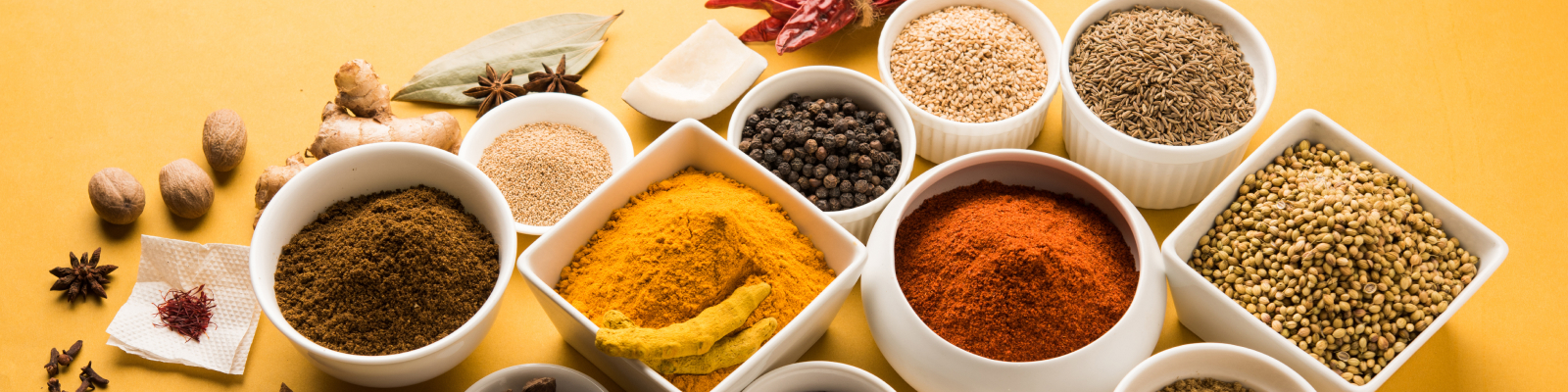
Indian spices are not just about adding heat to food. Each spice contributes a different flavour. The turmeric gives a warming colour, the cumin an earthy taste, the coriander a mild citrusy note and the black pepper a gentle heat. Garam masala is a mixture of some aromatic spices to add a deeper flavour to many traditional dishes.
Used in the correct quantities, these spices help to create a balanced taste without overpowering the natural flavour of the ingredients. This is especially true at festivals, when multiple dishes are served together, and each should have its own individual character. Ashok Masale offers quality products that can help home cooks to make flavorful festive meals.
Diwali is one of India’s most celebrated festivals, and food is an important part of the celebration. Families make sweets, savoury snacks, snacks for guests and elaborate meals to share with relatives and friends. Laddoos and barfis are popular sweets but savoury dishes also form an important part of Diwali celebrations.
Commonly used in savoury preparations are cumin, coriander, red chilli powder, black pepper and garam masala. These spices can be used to zing up samosas, kachoris, vegetable curries and festive pulaos. The selection of seasoning depends on the recipe and the desired flavour the cook wishes to create.
For example, cumin can be added to hot oil at the start of cooking to release its aroma, while powdered spices can be added to a curry after the onions and other aromatics have been cooked. The spices are allowed to mingle with the other ingredients and develop a more rounded flavour.
Fragrant ingredients are used in traditional sweets too. Cardamom is used often in kheer, halwa and a number of Indian sweets and saffron is used in some festive recipes for its unique aroma and colour. These ingredients demonstrate the use of spices in sweet and savoury dishes.
By selecting the right Indian cooking spices and using them judiciously, families can whip up festive food that’s traditional, welcoming, and full of flavour!
Holi is associated with colours, joy, gatherings and a range of traditional dishes. On the occasion of the festival, many households make a variety of local specialities like gujiya, malpua, dahi bhalla, kachori etc. Spices give these dishes their distinctive flavour and aroma.
Cardamom is often used in sweet dishes because of its pleasing scent. Depending on the recipe, fennel seeds also provide a mild sweetness and aromatic flavour. Savoury dishes can contain cumin, coriander powder, red chilli powder and other authentic Indian spices to bring about a balanced seasoning.
Roasted cumin powder and chaat masala can add a tangy, earthy flavour to dishes like dahi bhalla and other chaat preparations. The mixture of spices, yoghurt, chutneys and other ingredients makes these dishes a favourite at festive get-togethers and gives them that familiar taste.
The secret is to add spices according to the dish and not to put too many seasonings in at one time. A good mix keeps the flavour of the main ingredients, and ensures that every mouthful is a tasty experience.
Food traditions vary from region to region and family to family and each region of India celebrates Navratri in its own way. Some fast on certain days, while others cook special vegetarian dishes for family gatherings and religious festivals.
The ingredients used for the fasting differ from person to person’s tradition. Some homes use rock salt, cumin, black pepper and some herbs to spice up dishes that can be eaten while fasting. Local custom permits the preparation of potatoes, buckwheat flour, water chestnut flour and other permitted ingredients in a variety of ways.
Common Indian spices such as turmeric, coriander, cumin and garam masala are used abundantly in traditional vegetarian cuisine for festive meals not bound by fasting rules. They can add a flavour to dishes made with seasonal vegetables, lentils, paneer and rice.
Familiarity with the food traditions of Navratri helps home cooks select suitable ingredients and seasonings for their families. We aim to prepare meals that respect individual customs and give the taste and comfort of traditional Indian cooking.
West Bengal and many other parts of India celebrate Durga Puja with great enthusiasm. Food is a very important part of the celebrations with families and communities enjoying traditional vegetarian fare, rice dishes, curries and sweets.
Many Bengali dishes use cumin, turmeric, ginger, coriander and other spices. Their role varies from recipe to recipe but they contribute to the distinct character of regional cuisine. In some preparations a traditional Bengali mixture of five spices (panch phoron) is also used, to impart a characteristic aroma and taste.
The combination of spices used in a dish is often influenced by local traditions passed down through the ages. Some recipes rely on a few choice ingredients, others use a more complicated blend to create a stronger flavour.
Quality spices and traditional cooking techniques can help retain these regional food traditions. The right blend of spices can lend that special touch to holiday meals cooked at home, without altering the traditional character of familiar recipes.
Indian celebrations are not only religious festivals. Elaborate meals also bring people together for family reunions, weddings, anniversaries, housewarming ceremonies. Paneer curry, chhole, pulao, biryani, dal and a variety of vegetable preparations are often served during these occasions.
Different spice combinations are used in different recipes. Chhole Masala is used to give a characteristic flavour to chickpea dishes and Shahi Paneer Masala can be used to create the rich taste of shahi paneer. Garam masala adds a lovely warmth and fragrance to a lot of curries, and the correct biryani spices can give rice-based dishes a lot of flavour.
The right masala for a particular recipe can ease cooking and help in making the taste more consistent. And it’s not just the selection, it’s the amount of it, too. Not enough seasoning can mean a dish lacks flavour but too much can overpower the other ingredients.
Ashok Masale provides a variety of Masalas and traditional spice products for making various Indian dishes. Selecting the proper mix can help home cooks prepare delicious dishes for special occasions while keeping the taste of Indian cuisine alive.
Whole Spices and Ground Spices in Holiday Recipes
Both whole and powdered spices play an important role in traditional festival cooking. Knowing the difference can help you get better results out of your recipes.
Whole spices such as cinnamon, cardamom, cloves, cumin seeds and bay leaves are commonly used at the beginning of cooking. They release their aroma when added to oil or ghee that has been heated properly and help to create a flavorful base for curries, pulao and other dishes. Some recipes also call for lightly roasting whole spices before grinding.
Spices in a form of powder like turmeric powder, coriander powder, cumin powder and red chilli powder are easy to use in daily cooking. They can be added at the appropriate stage of a recipe to season vegetables, gravies, lentils and other preparations. Spice blends such as garam masala and Shahi Paneer Masala are a convenient way of combining complementary flavours.
It is contingent upon the recipe, cooking method and flavour you want to achieve. Using fresh, correctly stored pure spices preserves their characteristic aroma and taste. Store spices in clean, airtight containers away from direct sunlight and moisture, in a cool, dry place.
Festival Cooking Tips: Using Indian Spices
Many dishes for a festival can take a lot of time so a little planning can make the process easier. Before you start cooking, choose the recipes you want to make and check if you have the necessary spices and masalas. Keep the ingredients you use often on hand so you can go through the cooking process smoothly.
It is also important to add the spices at the right time. Whole spices are usually added early to flavour the oil or ghee with their scent. Powdered spices usually need careful cooking so as not to burn them. Different dishes require different methods, and the recipe will tell you when to add a particular spice.
Measure spices based on the quantity of food you are preparing. Festival cooking is often cooked in larger portions, but just increasing each spice the same amount may not always be the best result. Taste the dish while it is cooking and adjust the seasoning if necessary.
Lastly, select quality spices from a reputable brand and store them correctly. You can include products of Ashok Masale in your festive cooking routine to help you make traditional recipes with the familiar Indian flavours.
How Ashok Masale Adds Traditional Flavours to Festive Meals
Food traditions are handed down from generation to generation, through family recipes, cooking methods and the flavours remembered from childhood. Spices are important in preserving these traditions as they help to create the aroma and taste associated with familiar dishes.
Ashok Masale from 1957 is associated with Indian spices and traditional flavours. Its variety of spices and masalas help in cooking a lot of dishes from daily vegetable curries to special meals served on festivals and family get-togethers.
Whether you are preparing chhole for guests or making a rich paneer curry or cooking pulao for a family celebration or seasoning vegetables for a festive meal, choosing the right masala can help you achieve the flavour you want. Equally important is the use of spices in the right quantity and right way of cooking.
Traditional cooking is more than simply putting spices into food. It’s to create a balance of flavours that makes each dish enjoyable. Families can still celebrate India’s rich culinary heritage through food by blending traditional recipes with the right Indian cooking spices.
Summary
Spices have an important role in the cooking of traditional Indian festivals. They give aroma, colour, warmth and distinctive flavour to the food cooked for Diwali, Holi, Navratri, Durga Puja, marriages and other special occasions. From the aromatic whole spices in rice dishes to the carefully balanced masalas in curries, every seasoning has its part to play in creating memorable meals.
The pure spices, the correct quantities and the correct timing for seasonings can make a real difference to the final dish. Most importantly, traditional cooking enables families to retain their food heritage while enjoying delicious food with loved ones.
Home cooks can experiment with a variety of Indian spices and masalas with Ashok Masale for their daily cooking and festive celebrations. After all, the real joy of a festival often comes from the food we share, the traditions we uphold, and the flavours that unite us all.
FAQ’s
1. What is the importance of spices in traditional Indian festival cooking?
Indian spices add flavour, aroma, colour and depth to bring festive dishes to life. They contribute to the characteristic flavour of traditional curries, rice preparations, snacks and sweets.
2. What Indian spices are commonly used in festival dishes?
Many Indian recipes use turmeric, cumin, coriander, red chilli powder, cardamom, cinnamon, cloves and black pepper. The choice depends on the dish, the region and family tradition.
3. What are the masalas for festive meals?
Use Garam Masala, Chhole Masala, Shahi Paneer Masala and other appropriate ones as per the recipe. Ashok Masale provides various masalas for cooking different traditional Indian food.
4. How can I improve the taste of festival food at home?
Use fresh spices that are stored properly, measure seasonings accurately and add them at the right stage of cooking. The right masala for each dish can also help to create a balanced and satisfying flavour.
5. Where do I buy Indian spices for traditional cooking?
You can check the different types of Indian spices and masalas from Ashok Masale to prepare daily recipes, traditional food and festive food. For more information about the brand and products visit the official website https://ashokmasale.in/
Share this Post:
Rice is one of the most favourite foods in Indian…
Indian festivals are not only about celebrations, decorations and family…
The flavors of Indian street food are bold, the smells…